


Complete Guide to Waterproof LED Power Supplies for Garden and Architectural Lighting
Outdoor lighting looks simple from the outside, but behind every stable light is a reliable power system. In garden lighting and architectural lighting projects, the power supply often works in harsh environments. Rain, humidity, dust, temperature changes, and even insects can affect performance.
This is why choosing the right waterproof LED power supply is not just a technical detail, but a key decision that impacts safety, lifespan, and maintenance cost.
This guide focuses on practical selection and real application scenarios. The goal is to help buyers, contractors, and project planners understand what really matters when choosing waterproof LED drivers for outdoor use.
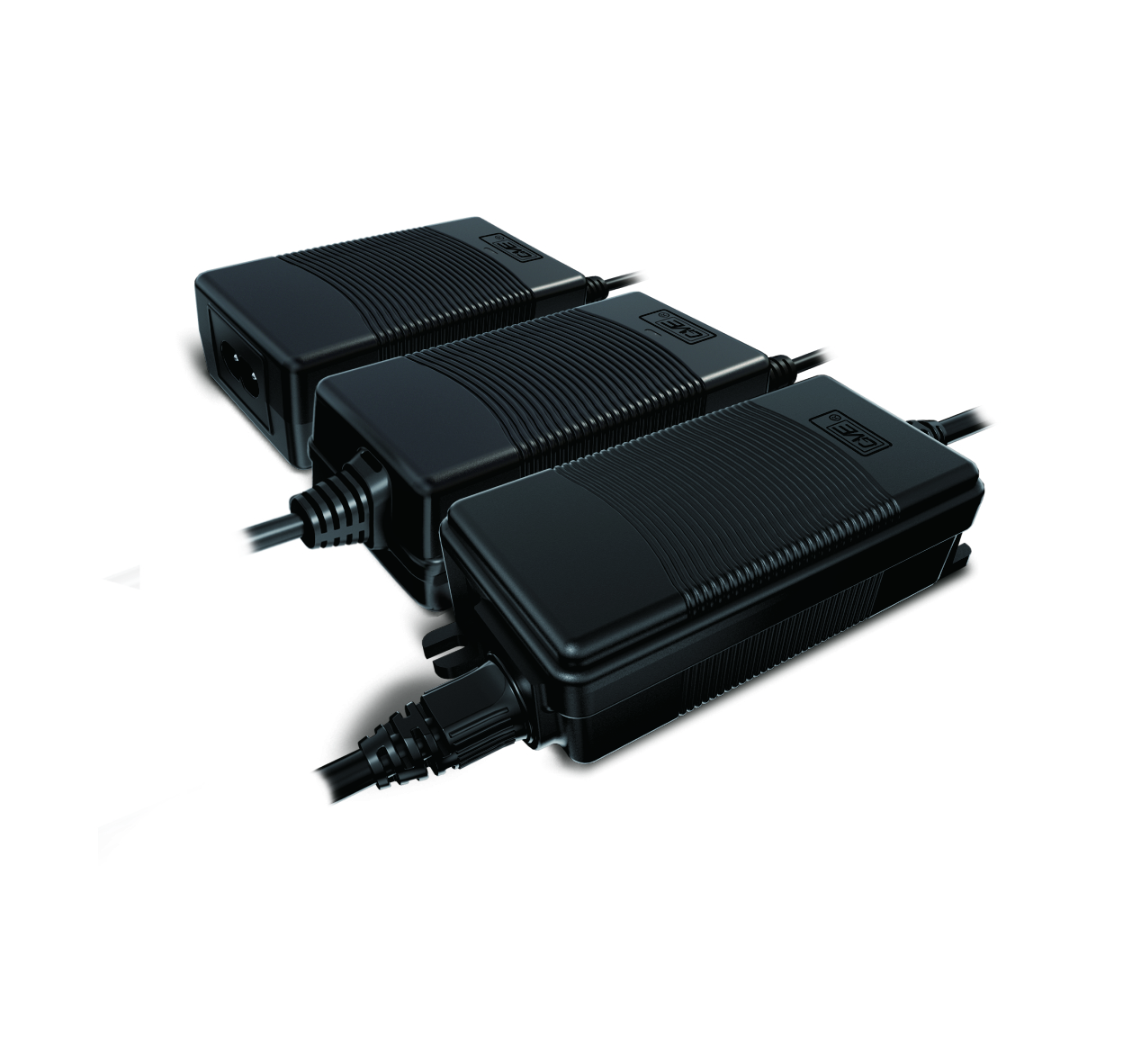
Why are Waterproof LED Power Supplies Important in the Outdoors?
Unlike indoor lighting, outdoor LED fixtures are exposed to water and moisture almost every day. Garden lights may be buried close to soil or grass. Architectural lighting is often installed on building facades, bridges, or landscape walls. In these cases, water resistance is not optional.
A standard indoor LED power supply can fail quickly if moisture enters the housing. Short circuits, corrosion, and unstable output are common results.
A waterproof LED power supply uses sealed enclosures, special potting materials, and corrosion resistant components to prevent water from reaching internal circuits.
More importantly, outdoor lighting usually runs for long hours. Path lights, wall washers, and facade lighting systems often operate all night. A low quality power supply may overheat or lose efficiency, leading to frequent replacement.
Understanding IP Ratings for Waterproof LED Drivers
When selecting a waterproof LED power supply, the IP rating is often the first thing people check. However, many buyers misunderstand what these numbers really mean.
● IP65 LED Power Supply: IP65 LED power supply is suitable for outdoor locations where water splashes occur, such as garden paths or under eaves. It protects against dust and low pressure water jets.
● IP67 LED Power Supply: IP67 LED power supply offers stronger protection and can survive temporary immersion in water. This level is commonly used for landscape lighting near fountains, ponds, or ground buried installations.
● IP68 LED Power Supply: IP68 LED power supply is designed for continuous immersion. It is often used in underwater lighting projects or extremely wet environments.
For most garden and architectural lighting projects, IP65 or IP67 is sufficient. Choosing a higher rating than needed may increase cost without real benefit.
Constant Voltage vs Constant Current for Outdoor Lighting
Another common question is whether to use constant voltage or constant current LED power supplies.
● Constant Voltage LED Power Supply: Constant voltage LED power supply is typically used for LED strips, flexible LED tape, and low voltage garden lighting systems. Common output voltages include 12V LED power supply and 24V LED power supply. These are popular in landscape lighting because of easy wiring and flexible installation.
● Constant Current LED Driver: Constant current LED driver is used for high power LEDs, wall washers, flood lights, and architectural facade lighting. It delivers a fixed current to protect LEDs from overdriving, which helps extend LED lifespan. Choosing the wrong type can lead to flickering, overheating, or early LED failure. Always match the power supply type with the LED fixture design.
Key Factors to Consider Beyond Waterproofing
Waterproofing alone does not guarantee a good outdoor LED power supply. Several other factors deserve attention.
● Temperature Range: Outdoor installations face hot summers and cold winters. A reliable waterproof LED power supply should work within a wide temperature range, usually from minus 20 degrees to 50 degrees Celsius or more.
● Efficiency: High efficiency LED drivers generate less heat and consume less energy. This matters in large architectural lighting projects where dozens or hundreds of power supplies may be installed.
● Protection Features: Look for power supplies with over voltage protection, short circuit protection, and overload protection. These features reduce risk during power surges or wiring errors.
● Lifespan and Warranty: A quality outdoor LED power supply often comes with longer warranty and uses long life capacitors. It reduces maintenance cost, especially for hard to reach installations.
Common Applications in Garden Lighting
In garden lighting, waterproof LED power supplies are widely used for:
● pathway lights
● spike lights
● step lights
● decorative landscape fixtures
These lights often operate at low voltage for safety reasons.
A 12V LED power supply is commonly used for residential garden projects. It is safer for DIY installation and reduces electric shock risk.
For larger gardens or commercial landscaping, 24V systems may be more efficient due to lower voltage drop over long cable runs.
Because garden lighting is close to soil and irrigation systems, choosing a power supply with proper sealing and corrosion resistant housing is critical.
Role in Architectural Lighting Projects
Architectural lighting focuses on highlighting building shapes, textures, and structural details. These projects usually involve wall washers, linear lights, flood lights, and facade lighting systems.
Here, stable output and long term reliability matter more than price alone. Flickering or color shift caused by unstable LED drivers can ruin the visual effect of a building at night.
In many architectural projects, LED drivers are hidden inside metal boxes or installed behind walls. Replacing a failed power supply can be time consuming and expensive.
This is why project planners often prefer waterproof LED drivers from experienced LED power supply manufacturers with proven track records.
Choosing a Reliable LED Power Supply Manufacturer
Not all waterproof power supplies are built the same. Some products claim high IP ratings but fail after one rainy season.
Choosing a reliable LED power supply manufacturer is just as important as selecting the right specifications.
Look for manufacturers with experience in outdoor LED lighting applications. Certifications, testing reports, and real project references matter.
A professional manufacturer understands how potting materials, enclosure design, and component selection affect long term performance.
OEM and ODM services are also useful for large projects that require custom output, special cable length, or specific installation methods.
Installation Tips to Avoid Early Failure
Even the best waterproof LED power supply can fail if installed incorrectly.
Avoid placing the power supply in areas where water can pool. Allow some airflow for heat dissipation, even for sealed units.
Use proper waterproof connectors and avoid damaging the cable jacket during installation. Tight bending near the cable entry can weaken waterproof sealing over time.
Finally, leave some power margin. Running a power supply at 100 percent load continuously reduces lifespan. A good practice is to use only 70 to 80 percent of rated capacity.
Conclusion
Waterproof LED power supplies are the hidden foundation of successful garden and architectural lighting projects. From understanding IP ratings to choosing between constant voltage and constant current, every detail affects performance and durability.
By focusing on real application needs, selecting products from reliable LED power supply manufacturers, and installing them correctly, you can build outdoor lighting systems that stay bright and stable for years, even in challenging environments. GVE offers different power supplies with waterproof ratings to provide the drive capability for your project without fear of rain, fog, and other harsh environments. Now browse our website or contact us for more detailed information.