


How Much Does a Water Purifier Power Adapter Cost?
How much does a water purifier power adapter actually cost? The short answer is that prices vary—more than most people expect. The longer answer depends on compatibility, brand, wattage, build quality, and where you buy it.
Why Water Purifier Power Adapters Vary So Much in Price?
If you browse online marketplaces, you'll see power adapters ranging anywhere from a few dollars to several times that. At first glance they look almost identical—same black shell, same DC output, similar cable length. But what determines the real cost is often the “invisible” part: what's inside.
Some adapters are designed specifically for RO water purifiers, especially those using booster pumps. These pumps require stable voltage and enough current during startup, and not every adapter can deliver that. A generic low-cost adapter might technically fit, but it may not hold voltage well under load, creating noise, vibration, or even damaging the pump over time.
By contrast, adapters from specialized factories or OEM suppliers tend to use better components, improved safety protections, and more stable output. So the pricing spread is not simply brand-related—it often reflects how well the unit will behave in real-world purification systems.
Typical Price Ranges You'll See
While exact pricing depends on the brand and region, here's what you'll experience in most retail situations:
● Budget adapters usually fall at the low end. These are the no-name models seen on online marketplaces. They're fine for short-term use but don't always meet strict safety standards.
● Mid-range adapters—the ones sold by many purifier brands as replacement parts—tend to cost more but offer consistent performance.
● High-grade OEM adapters supplied by professional power adapter manufacturers cost the most, but they're also the units preferred by water purifier companies for long-term stability.
The gap between these categories may seem small at first, but for users of RO systems that rely on constant pressure (such as homes with fluctuating water supply), the difference becomes obvious after several months.
What Influences the Water Purifier Adapter Price?
Here are the factors that quietly shape the final price tag:
1. Output Requirements: A water purifier power adapter is usually designed for a specific DC voltage and current. For example, RO pumps typically need steady output to avoid cavitation or irregular flow. A poorly regulated adapter will struggle under load, while a well-built model stays stable. Better regulation and higher current tolerance generally mean higher cost.
2. Build Quality and Safety Protections: More reliable adapters include elements like over-current protection, thermal control, and short-circuit safeguards. These don't appear on the product label, but they make a huge difference in durability—especially in kitchens where heat and humidity are common.
3. Brand and Manufacturer: Whether you're buying from a known water purifier brand, a reputable adapter factory, or a wholesale distributor makes a difference. Brands charge more because they test their adapters with specific purifier models. Meanwhile, power adapter manufacturers that specialize in OEM production often offer better pricing when purchased in bulk.
4. Connector Type: This is a minor detail, but it matters: different purifier brands use different DC plug sizes. Some use standard barrel connectors; others use slightly customized ones. Custom connectors typically increase manufacturing cost.
5. Retail vs. Wholesale: Buying a single replacement adapter from a retailer costs more. Buying from an OEM supplier or power adapter factory, even for a small batch, significantly reduces the per-unit price.
Is It Worth Paying for a Better Adapter?
In most cases, yes. A water purifier is one of those appliances quietly running every day, and its adapter is constantly exposed to on-off cycles, humidity, and voltage fluctuations. A cheap adapter that fails early isn't just inconvenient—it can shorten the life of the pump or controller board.
Users who have tried both generic and branded adapters often notice the difference immediately:
● The pump runs quieter.
● The purifier maintains stable flow rate.
● The adapter stays cooler during operation.
This is why many technicians and installers recommend buying from OEM water purifier power adapter suppliers or sticking with the original brand's replacement part. The small price difference pays off over time, especially in RO systems that operate heavily.
Where to Buy a Reliable Adapter?
If you're replacing a damaged adapter, you have several options:
● The original purifier brand – safest pick for exact compatibility.
● Authorized service centers – usually carry reliable replacements.
● Direct manufacturers or OEM suppliers – great for bulk or long-term use.
● Online marketplaces – convenient, but quality varies more widely.
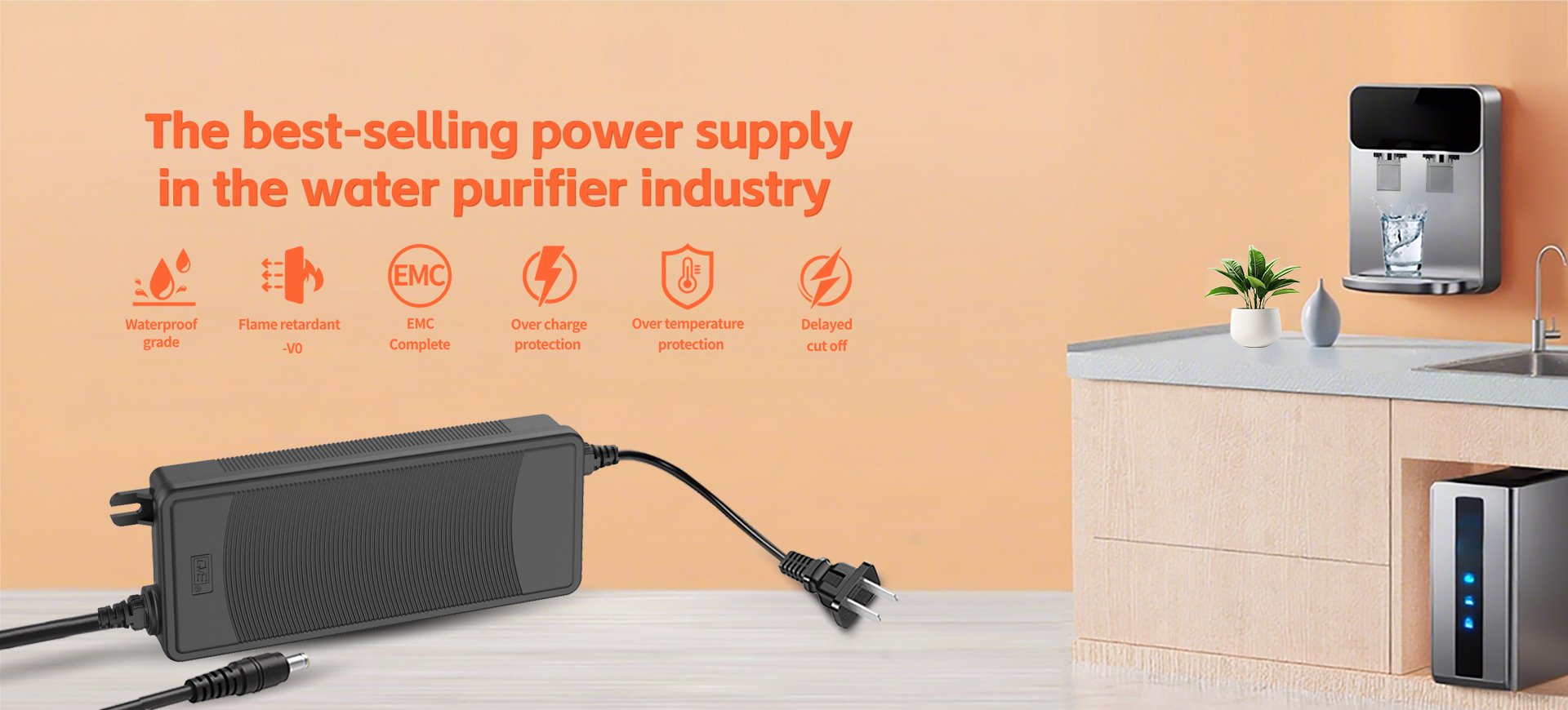
For long-term operation, especially in commercial setups—like cafe water stations, small beverage shops, or offices—installers often purchase from dedicated water purifier power adapter manufacturers because consistency matters more than branding. GVE is one of the water purifier power adapter manufacturers in China. We offer hot-selling power supplies in the water purifier industry. A stable adapter means a longer-lasting purifier. Get in touch to upgrade to a safer, more reliable power adapter built for continuous performance.
Conclusion
The cost of a water purifier power adapter isn't just about the sticker price—it reflects the quality, stability, safety, and long-term performance behind it. While you can find extremely cheap adapters online, a reliable mid-range or OEM model is usually the smarter investment, especially for RO systems that rely on stable pressure.
If you're an OEM buyer or distributor looking for stable supplies and consistent quality, GVE loves to support your project. Contact us to discuss custom specs, bulk pricing, or long-term cooperation.